Behind the Scenes: Navigating the “Last Minute” Final Touches

As any exhibition team knows, the final stretch before opening can feel equal parts exhilarating and chaotic. The artworks are installed, the lighting is dialed in, and the checklist is complete—but it’s often the smallest details that shape how visitors experience the show. These last-minute finishing touches aren’t just practical; they quietly communicate care, clarity, and professionalism.

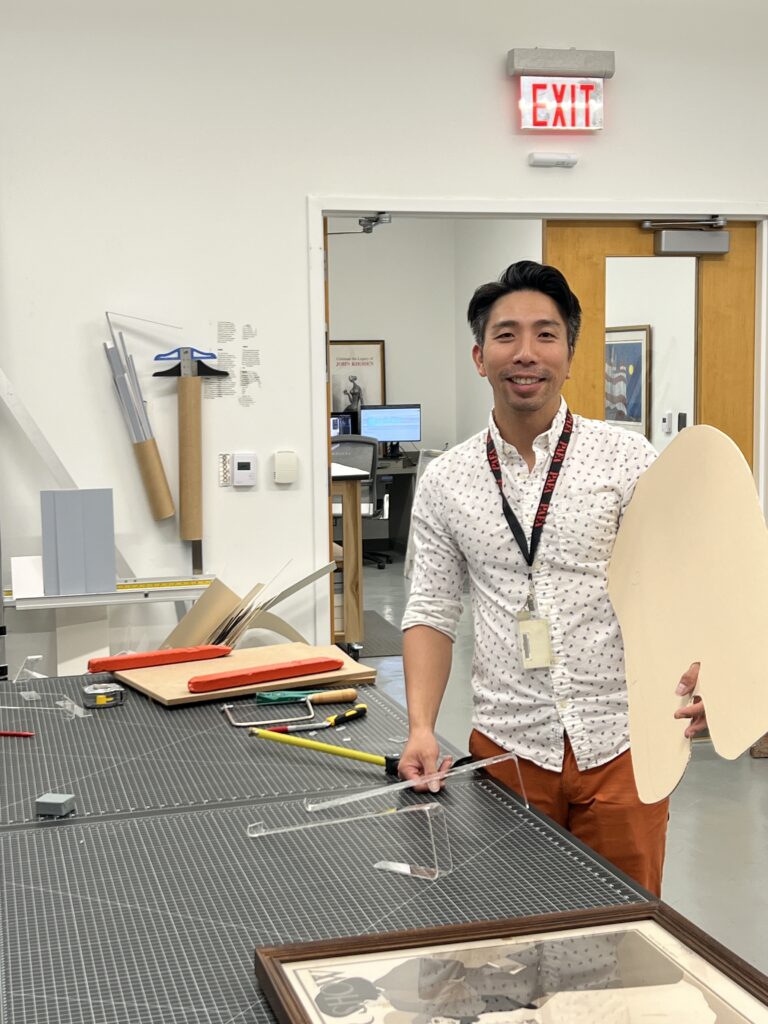
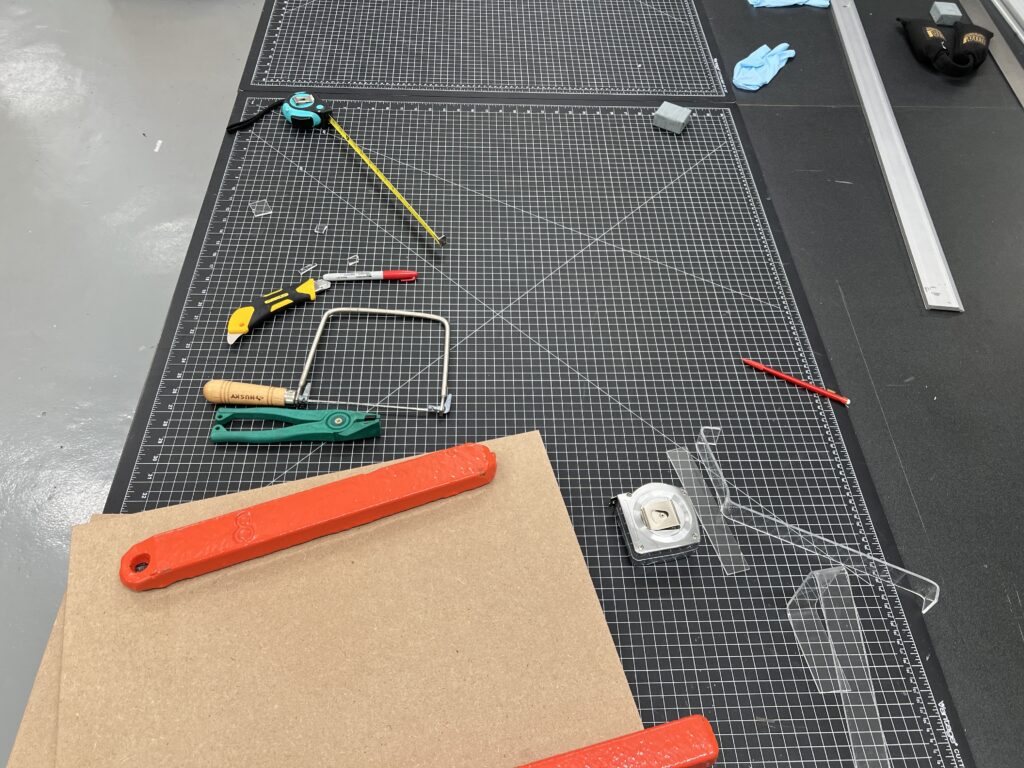
For PAFA’ A Nation of Artists exhibition (https://www.pafa.org/museum/exhibitions/a-nation-of-artists), several components were fabricated just in time.

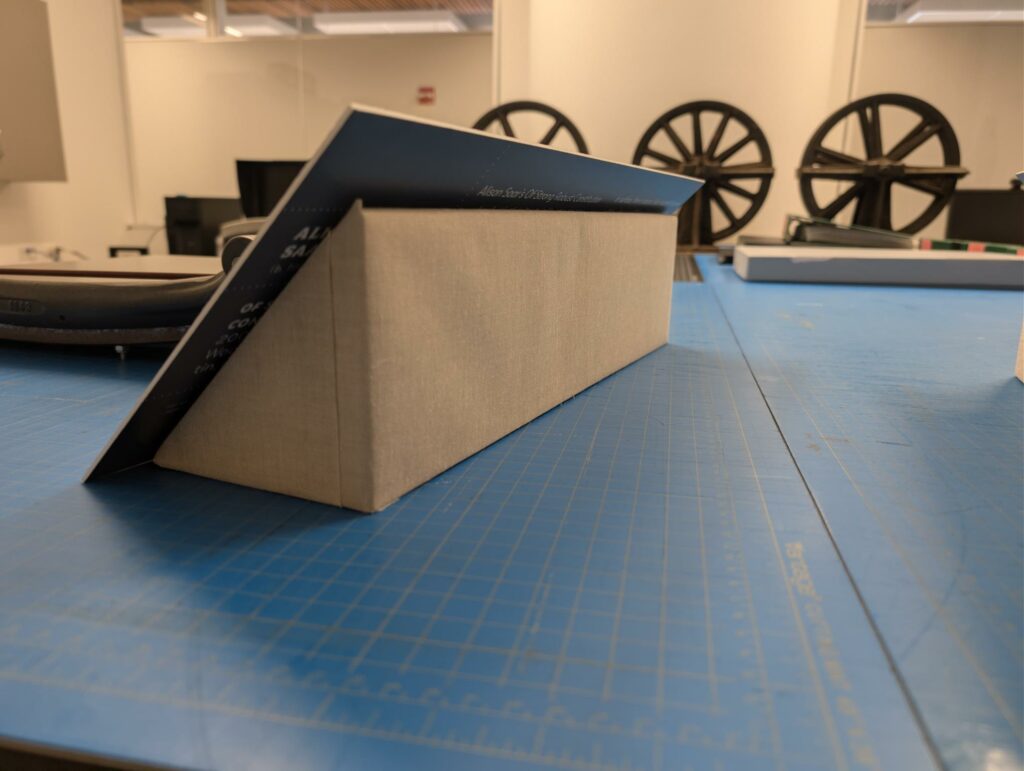
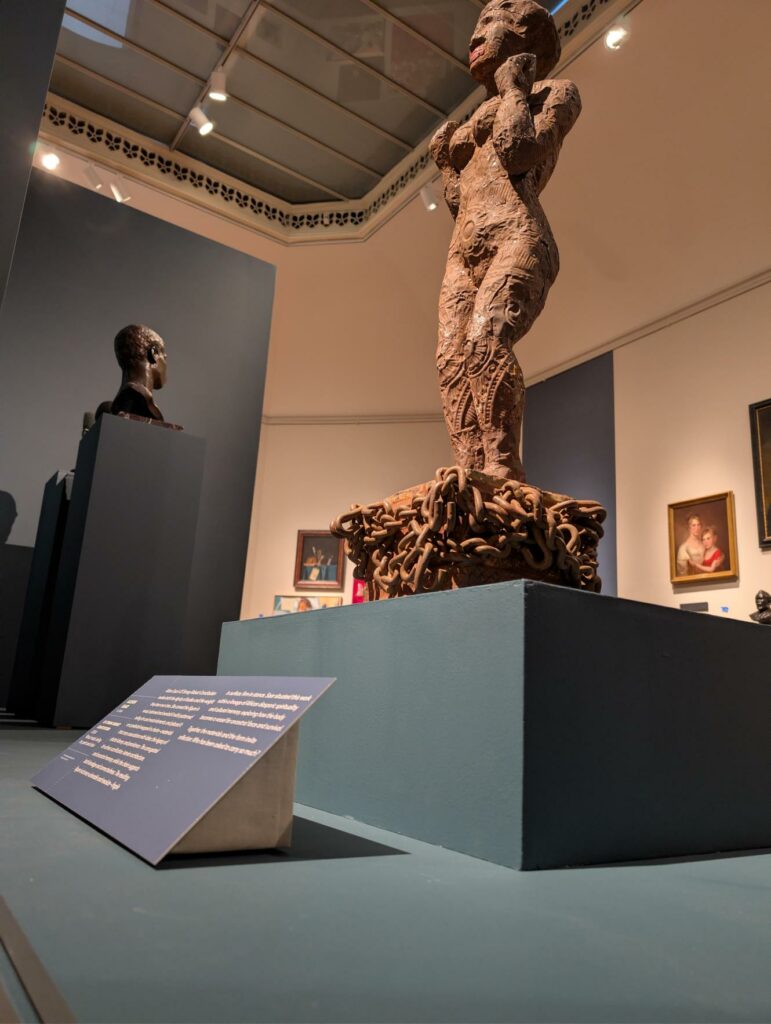
  1. A floor-mounted label was built for a larger text panel, set at a 45° viewing angle. This allowed for comfortable reading without interrupting the wall layout, while maintaining a clean visual line through the gallery.
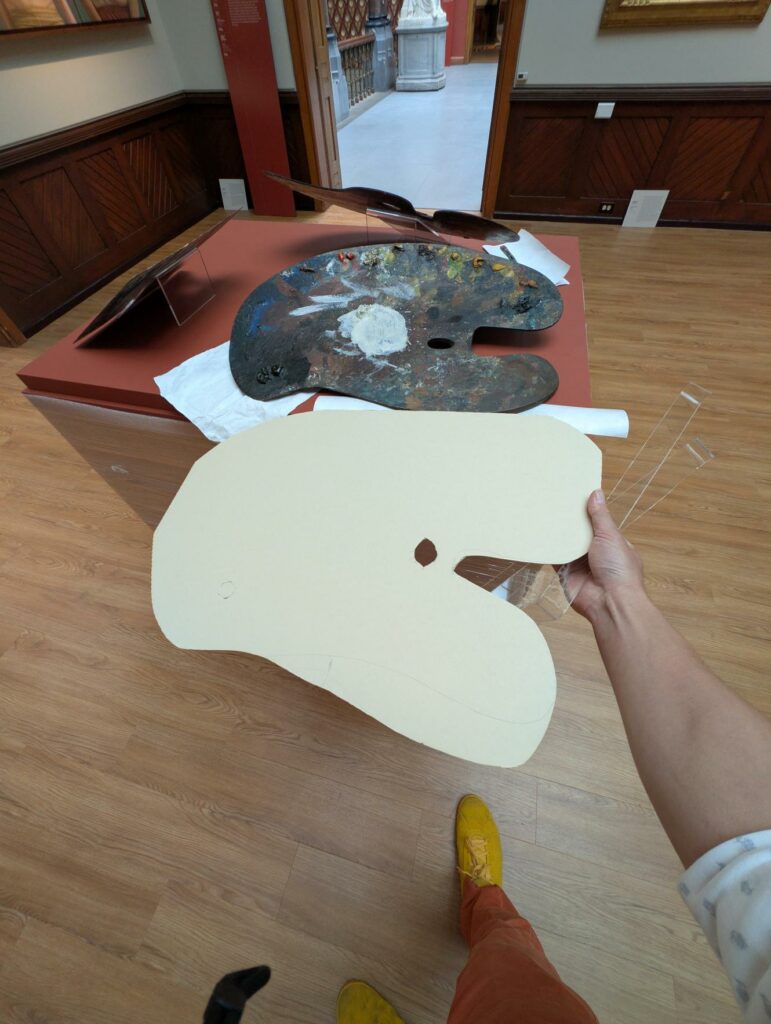
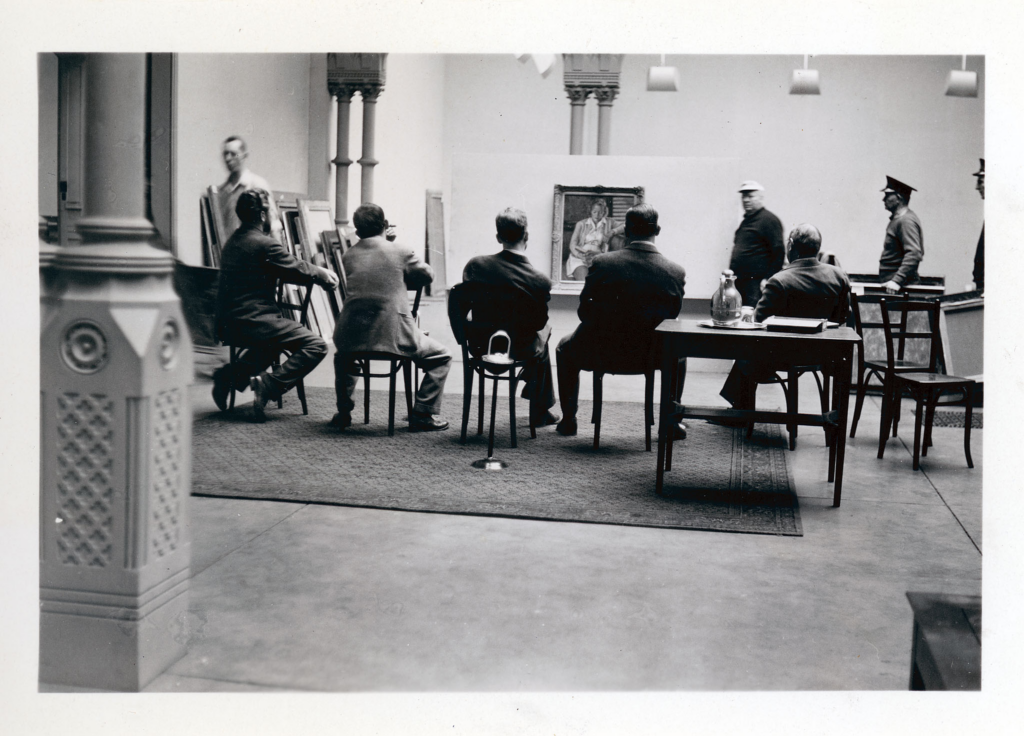
  2. Custom mounts were also created for an artist’s palette, turning it from a loose object into a stable, legible display element. The goal was simple: secure, unobtrusive, and visually aligned with the rest of the presentation.
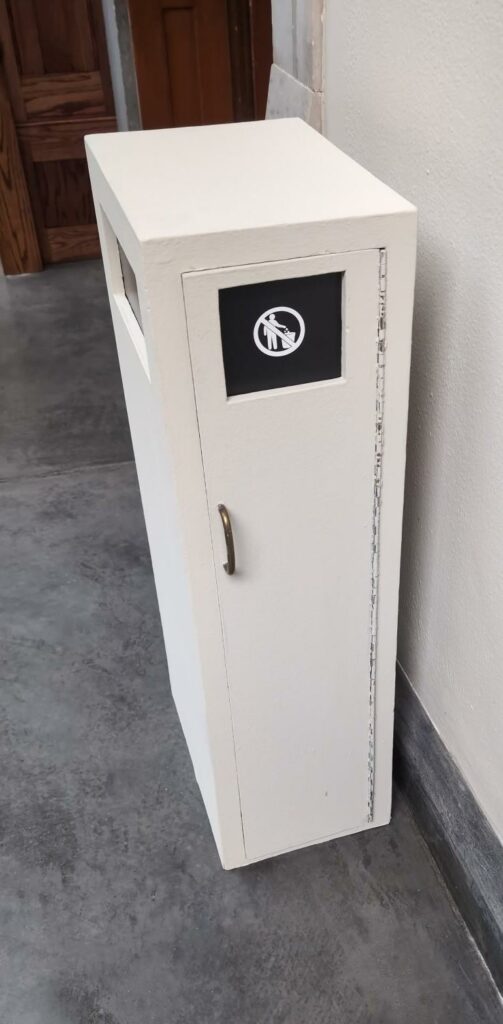
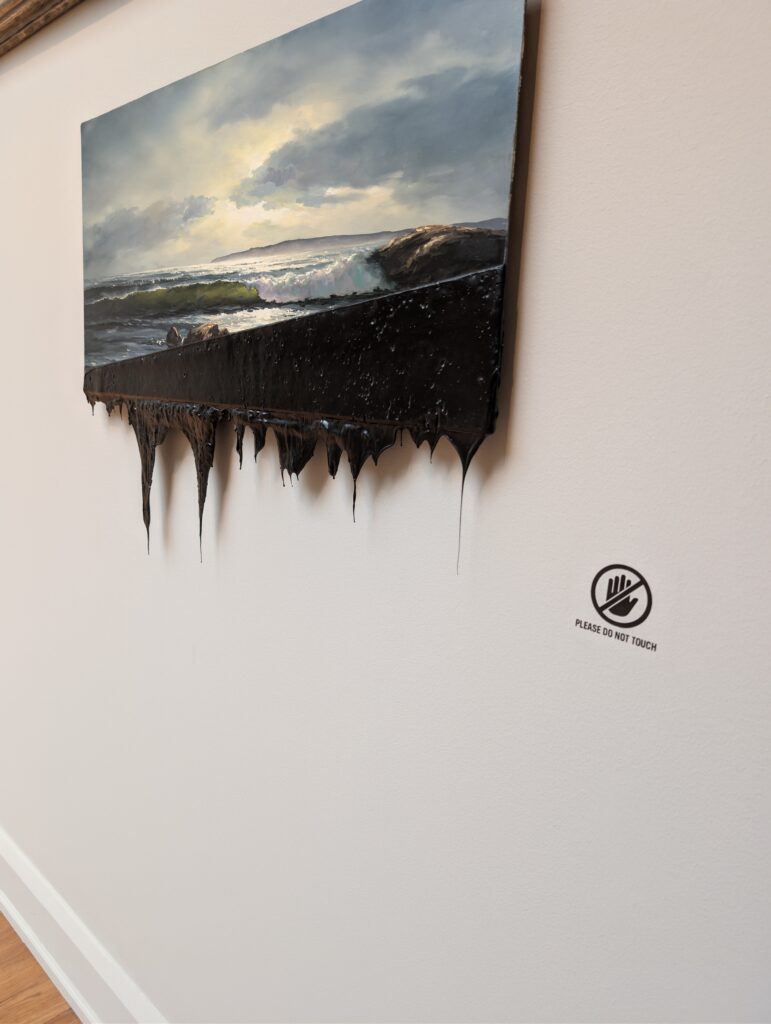
  3. Vinyl played a critical role in guiding visitor behavior. “Do Not Touch” decals were applied directly where interaction might occur—subtle but clear. A “Not a Trash Can” vinyl sign addressed a surprisingly common issue, preventing misuse of display elements without adding visual clutter.
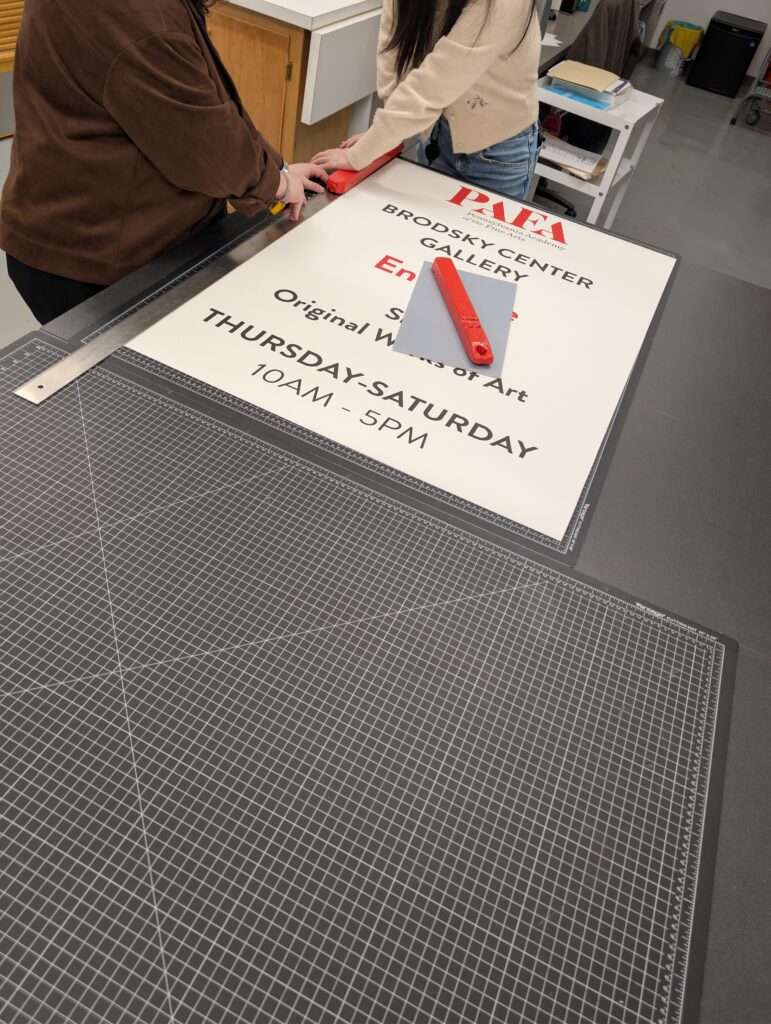
  4. Finally, temporary vinyl window signage was installed to activate The Brodsky Center Gallery store—quick to produce, easy to apply, and effective in signaling that the the store is open.

These last-minute fabrication decisions aren’t just fixes—they’re part of the craft. They ensure the exhibition reads clearly, functions smoothly, and meets visitors with intention from the moment they enter.
New Digital Resource: Index of Annual Exhibition Jurors (1882–1969)

The Archives is happy to announce a new digital research tool: the Index of Annual Exhibition Jurors. This resource provides a centralized, searchable record of the jurors who shaped one of the most significant exhibition series in American art history.

From the inception of the juried system in the late 19th century through the final annual in 1969, the information provide valuable research details for researchers, curators, and historians tracing the evolution of American taste and institutional standards.

1942 Annual Exhibition Jurors (PC0104_1942_003)

Access the Resource: Index of Annual Exhibition Jurors

Key Research Data & Insights

The database allows for a granular analysis of PAFA’s institutional decision-making. Initial findings from the data reveal several significant trends:

  • Institutional Influences: The records document the recurring involvement of important Academy instructors, including Thomas Eakins, Cecilia Beaux, William Merritt Chase, Thomas Anshutz, Hugh Breckenridge, and Charles Grafly.
  • Specialized Jury Structures: The data tracks the professionalization of the jury system, ranging from “Hanging Juries” responsible for gallery aesthetics to specialized committees for Painting, Sculpture, and Architectural Drawings.
  • Geographic Reach: Documentation of regional juries in St. Louis, Chicago, Cleveland, and Indianapolis demonstrates the Academy’s historical role as a national arbiter of fine arts.
  • Gender and Professional Status: Researchers can track the increasing—though initially limited—inclusion of women in leadership and jury roles, providing a metric for shifting professional standards in the early 20th century.

Why This Matters for Scholarship

The Annual Exhibitions at PAFA brought over 100,000 works of art to the public. By making the names and roles of the jurors accessible, we provide the “missing link” in provenance and exhibition history research. Understanding who selected the art is as vital as knowing which art was shown.

This digital resource reduces the need for manual catalog searches, streamlining the workflow for provenance researchers and academic historians.

Digital Treasure Trove: Project Update

Contributed by Hoang Tran, Director of Archives

We are excited to announce the official launch of the IMLS grant funded project to photograph all works in PAFA’s permanent collection up to 2018. In addition, there will be a large scale data cleanup of the collection catalog records.

PAFA is happy to introduce HoJun Yu who will serve as the Project Museum Collections Assistant. HoJun is not your traditional museum professional. His educational background was actually in chemistry which may seem odd but there are definitely overlapping skills, particularly when it comes to critical thinking and analytical skills. For instance, these skills will be invaluable for his work reviewing, updating, and creating better catalog records for PAFA’s entire permanent art collection data.

The other portion of his duties is supporting PAFA’s efforts to photograph its permanent collection. HoJun has a passion for photography which is demonstrated by his work as a photographer during his undergraduate studies as well as freelance work (https://www.hojunyu.com/).

HoJun with camera

Please check back here regularly for updates on the project. 

About the Institute of Museum and Library Services

The Institute of Museum and Library Services is the primary source of federal support for the nation’s libraries and museums. We advance, support, and empower America’s museums, libraries, and related organizations through grantmaking, research, and policy development. Our vision is a nation where museums and libraries work together to transform the lives of individuals and communities. To learn more, visit https://www.imls.gov/and follow us on Facebook and Twitter.